


PEO, PO, PSO
Program Educational Objectives (PEOs) of Civil Engineering
The Program Educational Objectives for the Under Graduate Course in Civil Engineering are to prepare our students to:
- Understand the civil engineering fundamentals and their application to the solution of problems.
- Develop the proficiency in students regarding engineering knowledge and skills to analyze, design, build, maintain, or improve civil engineering based systems.
- To offer interactive education and practical skills so that the students can carry out technical investigations within realistic constraints such as economic, social, safety and environmental sustainability.
- To create interest in the students to engage in life-long learning in advanced areas of civil engineering and related fields.
- To educate the students in human values and social responsibility to use engineering techniques and its necessary modern tools for civil engineering practice in order to serve the society in a much better way.
Programme Outcomes (PO)
- PO1 Engineering Knowledge: Apply knowledge of mathematics, natural science, computing, engineering fundamentals and an engineering specialization as specified in WK1 to WK4 respectively to develop to the solution of complex engineering problems.
- PO2 Problem Analysis: Identify, formulate, review research literature and analyze complex engineering problems reaching substantiated conclusions with consideration for sustainable development. (WK1 to WK4)
- PO3 DeDesign/Development of Solutions: Design creative solutions for complex engineering problems and design/develop systems/components/processes to meet identified needs with consideration for the public health and safety, whole-life cost, net zero carbon, culture, society and environment as required. (WK5)
- PO4 Conduct Investigations of Complex Problems: Conduct investigations of complex engineering problems using research-based knowledge including design of experiments, modelling, analysis & interpretation of data to provide valid conclusions. (WK8).
- PO5 Engineering Tool Usage: Create, select and apply appropriate techniques, resources and modern engineering & IT tools, including prediction and modelling recognizing their limitations to solve complex engineering problems. (WK2 and WK6)
- PO6 The Engineer and The World: Analyze and evaluate societal and environmental aspects while solving complex engineering problems for its impact on sustainability with reference to economy, health, safety, legal framework, culture and environment. (WK1, WK5, and WK7).
- PO7 Ethics: Apply ethical principles and commit to professional ethics, human values, diversity and inclusion; adhere to national & international laws. (WK9)
- PO8 Individual and Collaborative Team work: Function effectively as an individual, and as a member or leader in diverse/multi-disciplinary teams.
- PO9 Communication: Communicate effectively and inclusively within the engineering community and society at large, such as being able to comprehend and write effective reports and design documentation, make effective presentations considering cultural, language, and learning differences.
- PO10 Project Management and Finance: Apply knowledge and understanding of engineering management principles and economic decision-making and apply these to one’s own work, as a member and leader in a team, and to manage projects and in multidisciplinary environments.
- PO11 Life-Long Learning: Recognize the need for, and have the preparation and ability for i) independent and life-long learning ii) adaptability to new and emerging technologies and iii) critical thinking in the broadest context of technological change. (WK8)
Program Specific Outcomes (PSOs)
- PSO1 Profound knowledge in Civil Engineering problem identification, formulation, analysis, design and execution, laboratory investigations and construction, optimization of the cost, time management, quality control, and safety features using appropriate tools in the development of civil engineering infrastructure along with good foundation in mathematics, basic sciences and technical/professional communication.
- PSO2 Support the society with solutions to various Civil Engineering problems focusing on sustainable development and upholding professional and human value ethics. Graduates will have a broad understanding of economic, environmental, social, health and safety factors involved in infrastructural development, and shall demonstrate ability to function within multidisciplinary teams with competence in modern tool usage.
- PSO3 Our Civil Engineering Graduates will be self-motivated for continuous learning in engineering practice and/ or pursue research in advance areas of civil engineering in order to offer engineering services to the society, ethically and responsibly.
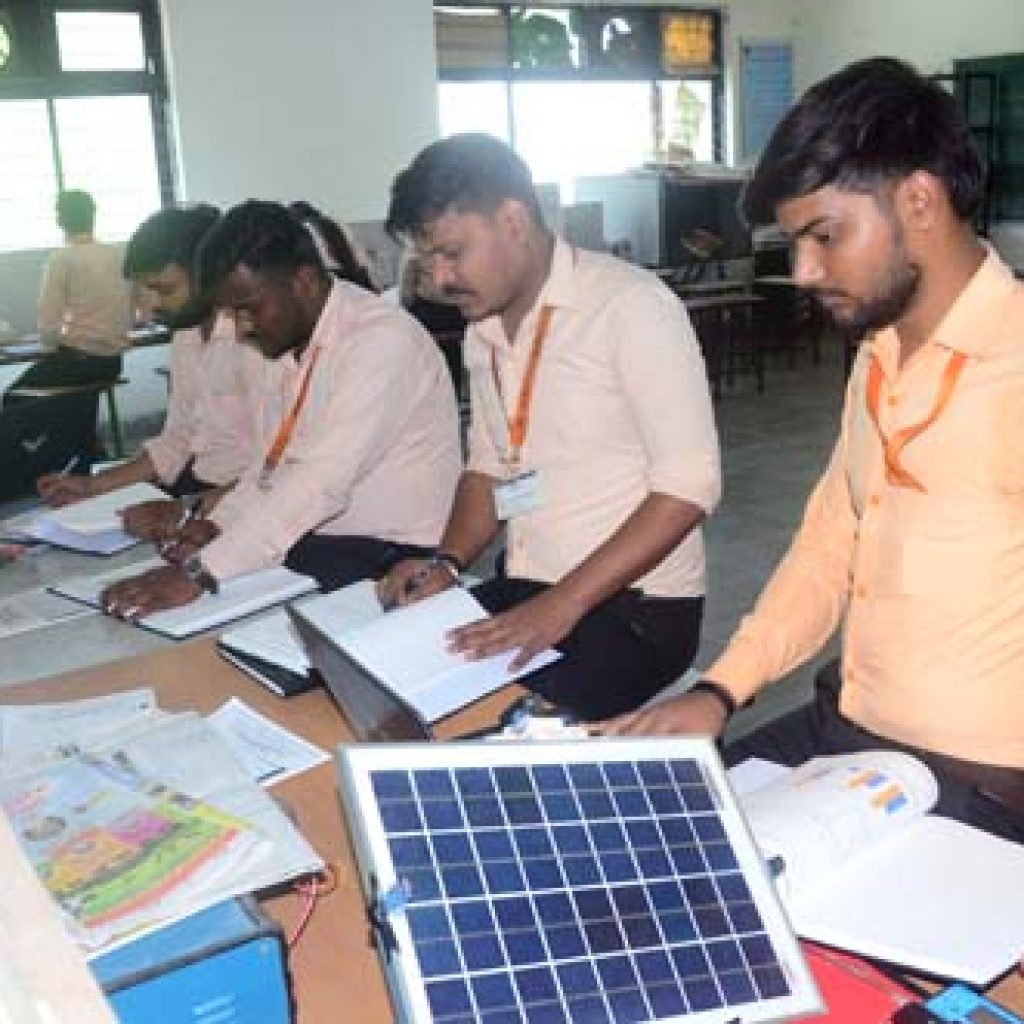
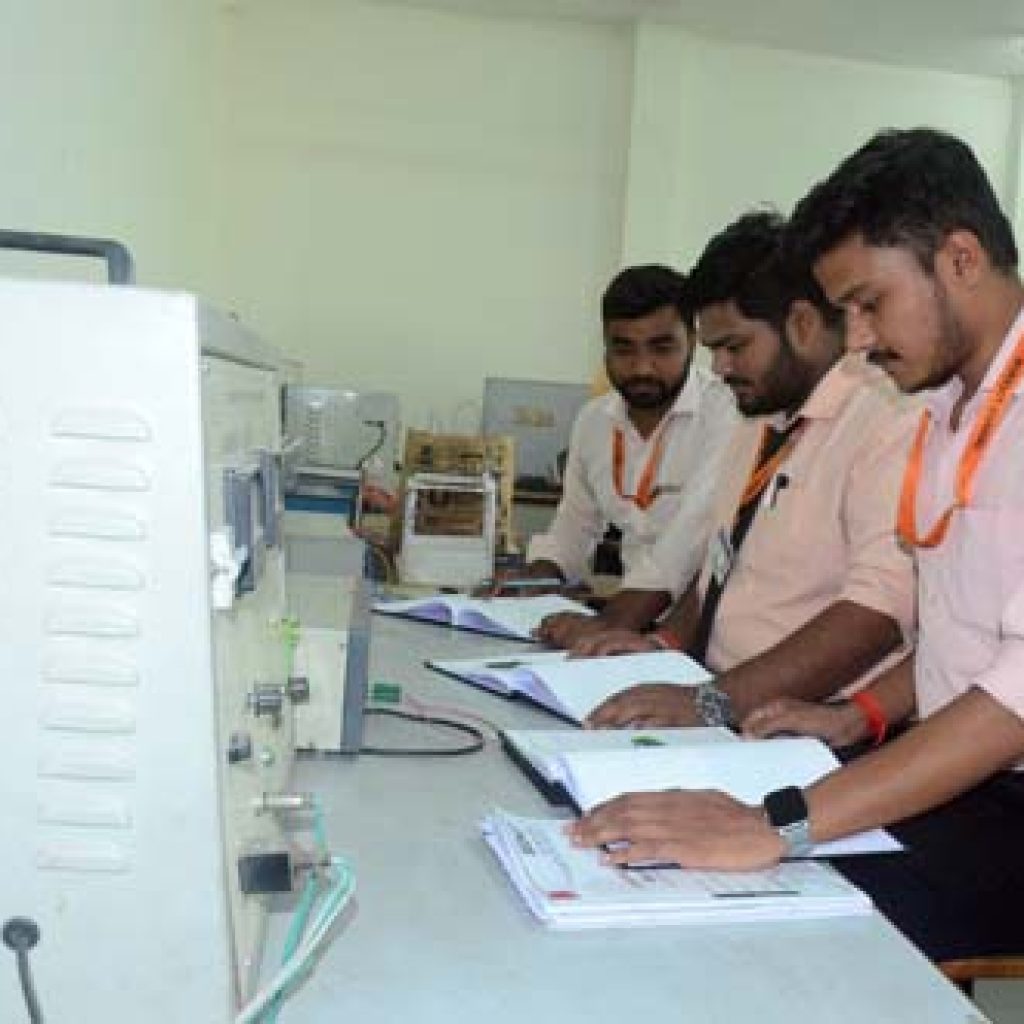
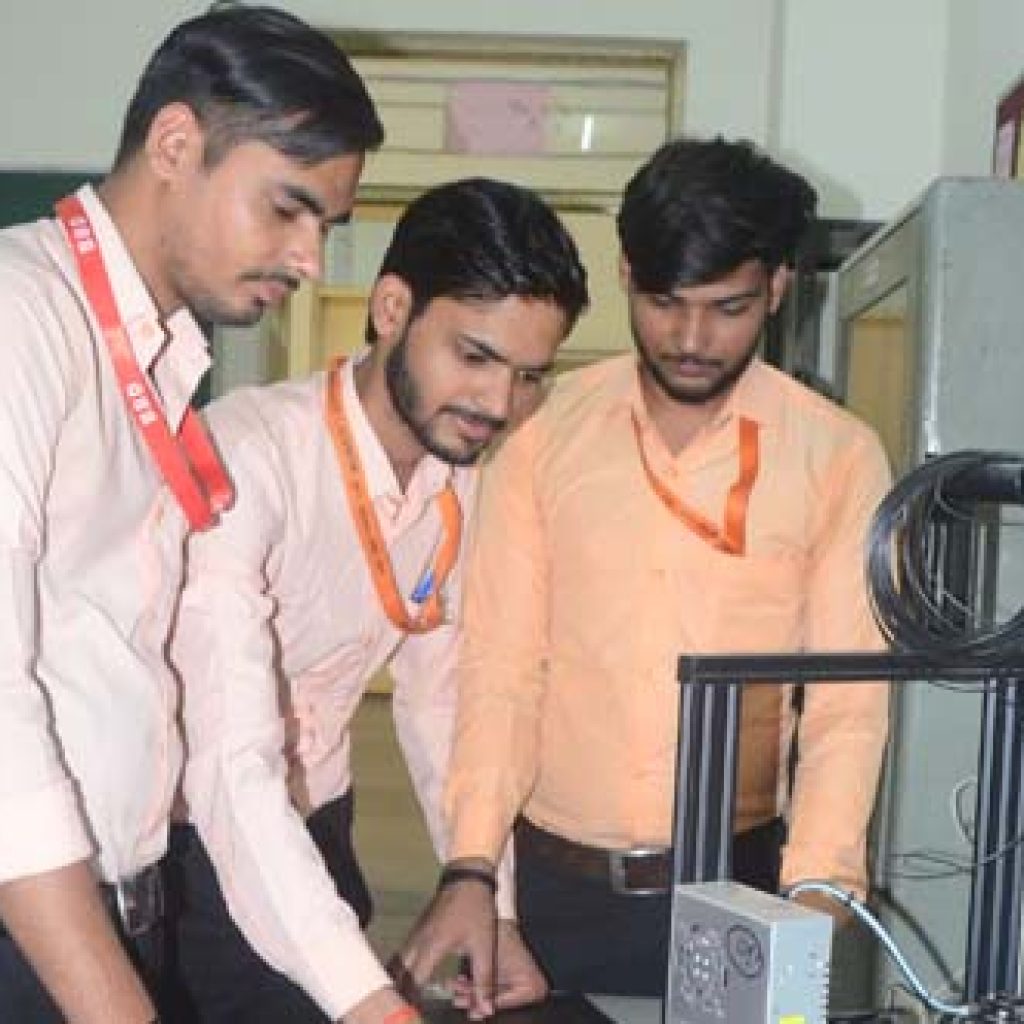
Civil Labs
- Surveying Lab
- Fluid Mechanics Lab
- Engineering Geology Lab
- Civil Engineering Material Lab
- Air & Noise Pollution Lab
- Concrete Structure Lab
- Traffic Survey & Analysis Lab
- Civil Engineering Drawing Lab
- Geoinformatics Lab
- Hydraulic Machine Lab
- Geotechnical Engineering Lab
- Environmental Engineering Lab
- Quantity Survey & Estimation Lab
- Cad Lab
- Cad Lab 1
- Cad Lab 2
- Transportation Engineering Lab
- Structural Detailing Lab
- Water & Waste Water Treatment Lab










![BBDNIIT SMART INDIA HACKATHON 2024 [SIH 2024] INTERNAL AUDITIONS BY TECHNICAL COMMITTEE](https://bbdniit.ac.in/wp-content/uploads/2026/03/website-banner-1-150x150.jpg)